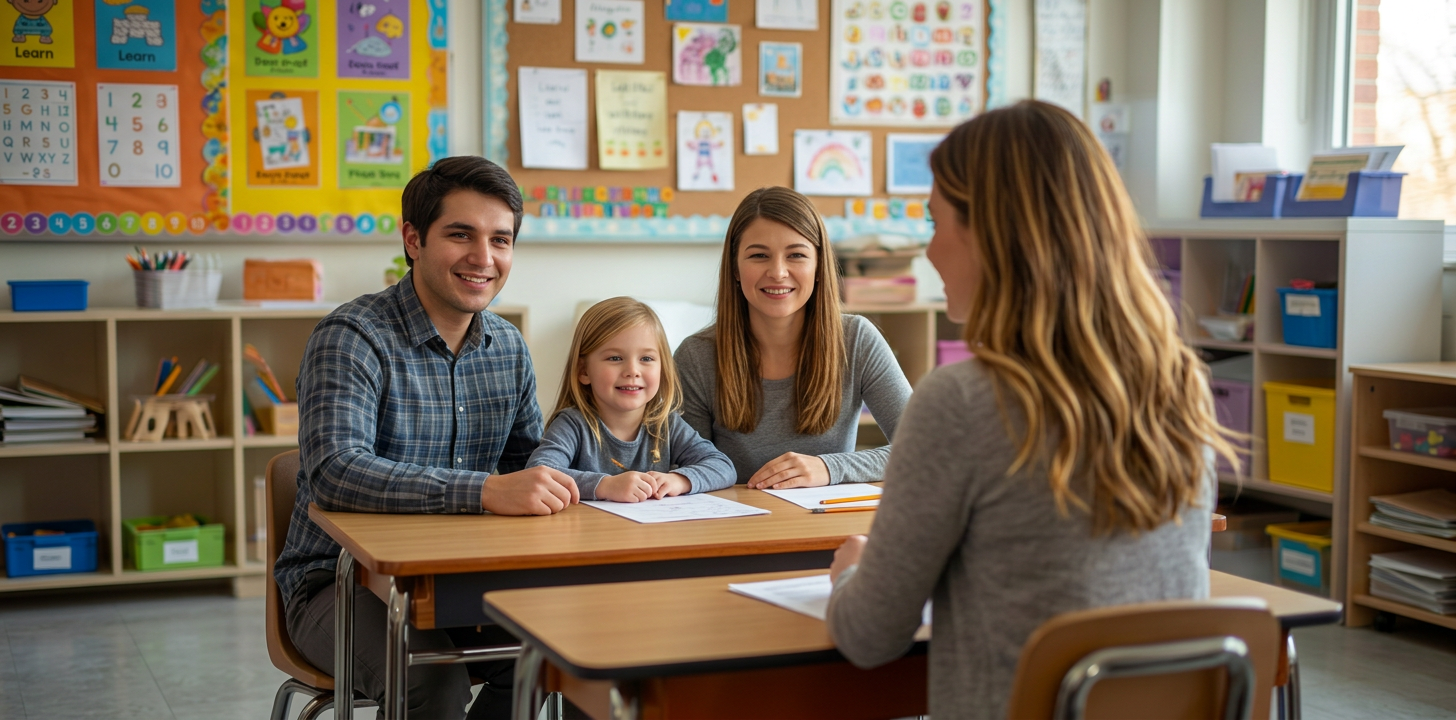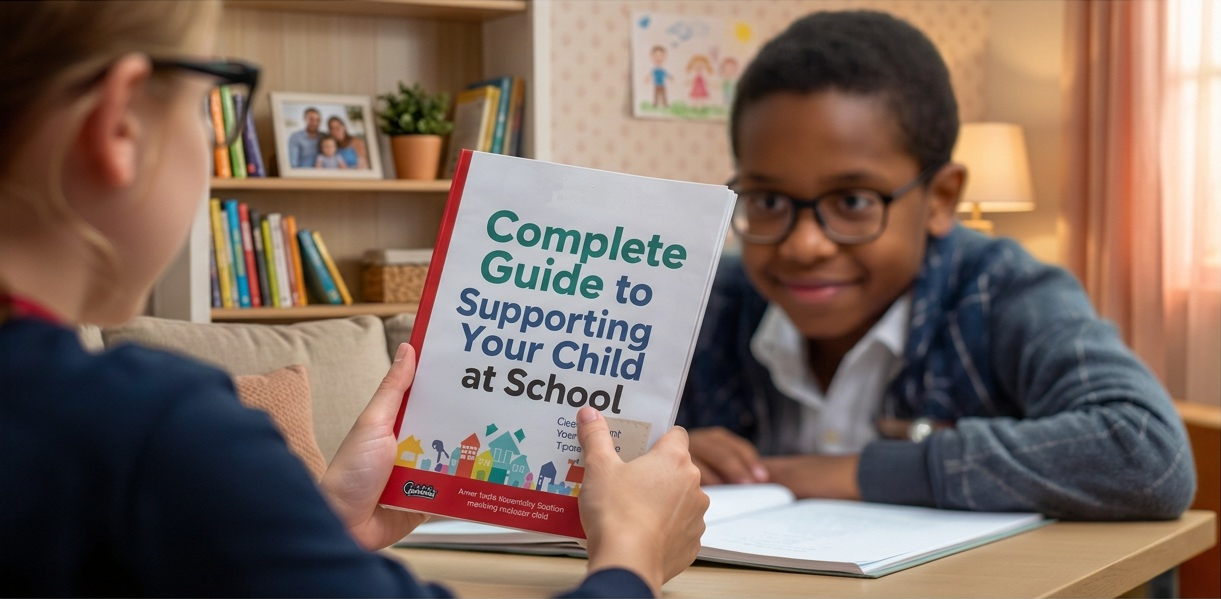
What is the best way to support your child at primary school?
The best way to support your child at primary school is to build strong routines, encourage a positive attitude toward learning, and support reading, maths, and emotional wellbeing at home.
You do not need to be a teacher. Small, consistent habits have the biggest impact on a child’s progress and confidence.
1. How can parents support learning at home in primary school? (All ages)
Supporting learning at home is not about recreating school. It is about creating a stable environment where children feel confident, supported, and curious.
Key ways to support your child’s learning at home
-
Establish consistent daily routines
-
Read together regularly (even older children)
-
Encourage effort over results
-
Talk about school in specific ways
-
Support independence with small tasks
Why routines help children succeed at school
Children perform better when they know what to expect. Simple routines around homework, reading, and bedtime improve focus and reduce stress.
How should I talk to my child about school?
Instead of “How was school?”, ask:
-
What did you learn today?
-
What was the hardest part of your day?
-
What made you laugh today?
Further reading
The Essential Role of Parents in Their Children’s Education
2. How does the UK primary school system work? (Key Stages explained)
The UK primary school system is divided into clear stages called Key Stages. Understanding them helps parents know what to expect.
What are the Key Stages in primary school?
-
EYFS (Reception, ages 4–5) – early development and play-based learning
-
Key Stage 1 (Years 1–2) – early reading, writing, and maths foundations
-
Key Stage 2 (Years 3–6) – deeper learning and SATs preparation
What do primary school teachers assess?
Teachers assess more than test results. They look at:
-
Understanding of concepts
-
Independence in learning
-
Communication skills
-
Progress over time
How much homework should primary school children have?
Homework varies by school but is usually designed to reinforce learning, not introduce new topics.
3. How to support Reception and Year 1 children (Early Years Foundation Stage)
Early years learning focuses on communication, play, and early literacy development.
What should Reception children learn?
Reception children typically develop:
-
Early reading and phonics skills
-
Number recognition and basic counting
-
Fine motor skills (writing, cutting, drawing)
-
Social and emotional skills
What is phonics in primary school?
Phonics is the method schools use to teach children to read by linking sounds to letters.
How can I help my child with phonics at home?
-
Practise letter sounds daily
-
Read simple phonics books together
-
Use blending games (sound out words together)
-
Keep practice short and consistent
4. How can I help my child learn to read? (Primary reading support UK)
Reading is the most important academic skill in primary school.
How do children learn to read in UK schools?
Children learn to read through phonics (decoding words) and comprehension (understanding meaning).
How often should children read at home?
Daily reading for 10–15 minutes is more effective than occasional long sessions.
What should I do if my child struggles with reading?
-
Read together every day
-
Do not rush progress
-
Repeat familiar books
-
Talk about stories to build understanding
5. How to help your child with maths at home (Primary maths support UK)
Maths confidence is built through repetition, understanding, and real-life practice.
What is number sense in children?
Number sense is a child’s understanding of how numbers work and relate to each other.
How can I help my child with maths if I am not confident?
You can still help by:
-
Talking about numbers in daily life
-
Using cooking and shopping for practice
-
Playing maths games
-
Encouraging effort, not speed
Why do children struggle with maths?
Common reasons include gaps in understanding, lack of confidence, or anxiety about making mistakes.
6. How to improve writing skills in primary school children
Writing is a complex skill that requires planning, vocabulary, and handwriting control.
Why do children struggle with writing?
Children often struggle due to:
-
Difficulty organising ideas
-
Slow handwriting
-
Lack of vocabulary
-
Fear of spelling mistakes
How can I help my child improve writing?
-
Encourage talking before writing
-
Use storytelling activities
-
Keep writing tasks short and fun
-
Focus on ideas before spelling
7. SATs explained for parents (Year 2 and Year 6 SATs UK)
SATs are national assessments in English primary schools taken in Year 2 and Year 6.
What are SATs in primary school?
SATs assess reading, maths, and grammar skills to measure progress against national expectations.
How can I help my child prepare for SATs?
-
Keep revision calm and consistent
-
Avoid pressure or comparison
-
Focus on confidence and routine
-
Practise small amounts regularly
Do SATs matter for my child’s future?
SATs help schools track progress but do not define a child’s long-term potential.
8. How to support children’s mental health and school anxiety
Emotional wellbeing has a direct impact on school performance.
Signs of school anxiety in children
-
Avoiding school
-
Physical complaints (headaches, stomach aches)
-
Behaviour changes
-
Low confidence
How can I help a child with school anxiety?
-
Listen without judgement
-
Validate emotions
-
Build predictable routines
-
Work closely with the school
Further reading
Why Is My Child Anxious About School? Signs, Causes and How to Help
9. How to work with your child’s teacher effectively
A strong parent-teacher relationship improves outcomes for children.
How do I talk to my child’s teacher?
-
Be specific about concerns
-
Ask clear questions
-
Share relevant home observations
-
Stay solution-focused
How to prepare for parent-teacher meetings
Write down key questions in advance and prioritise your main concerns.
Further reading
How to Make the Most of Parent-Teacher Meetings (What to Ask + Tips)
10. How to make homework easier for children (without stress)
Homework should reinforce learning, not create conflict.
How long should primary school homework take?
Most homework should take around 10–30 minutes depending on age.
How can I reduce homework stress?
-
Set a consistent time
-
Create a quiet space
-
Break tasks into smaller steps
-
Encourage independence
Further reading
Homework Help: How to Support Without Taking Over
11. What to do if your child is struggling at school
All children struggle at some point during primary school.
Why is my child struggling at school?
Possible reasons include:
-
Learning gaps
-
Emotional stress
-
Lack of confidence
-
Difficulty with specific subjects
What should parents do first?
Start by observing patterns, then communicate with the teacher to identify the cause.
Final thoughts: How to support your child’s success at school
The most effective way to support your child at school is not through pressure or perfection, but through consistency, encouragement, and emotional support.
Children thrive when they feel:
-
Safe
-
Understood
-
Encouraged
-
Supported
Small daily actions at home can have a lasting impact on your child’s confidence and success throughout primary school.