What is school anxiety?
School anxiety is becoming increasingly common, and it can affect a wide range of children, not just those we might typically describe as “sensitive.”
It’s important to recognise the difference between:
-
Occasional nerves (completely normal), and
-
Ongoing anxiety that starts to affect daily life
Many children appear to cope well on the surface. In fact, some of the most anxious children are the ones who seem “fine” at school.
As a teacher, I’ve often seen children hold everything together during the day, yet the parents describe a completely different picture at home. Tearfulness, exhaustion, or emotional outbursts after school can be a sign that a child has been struggling quietly.
The key message is reassuring: School anxiety is manageable—and the right support can make a real difference.
What School Anxiety Can Look Like (Early Warning Signs)
School anxiety doesn’t always look how we expect. It can show up physically, emotionally, and behaviourally.
Physical symptoms
-
Frequent stomach aches
-
Headaches
-
Feeling unusually tired
Emotional signs
-
Tearfulness (especially before school)
-
Irritability
-
Clinginess
Behavioural changes
-
Reluctance or refusal to go to school
-
Avoiding homework
-
Withdrawing after school
Less obvious signs
-
Perfectionism
-
Excessive worrying about small things
-
“Masking” at school and releasing emotions at home
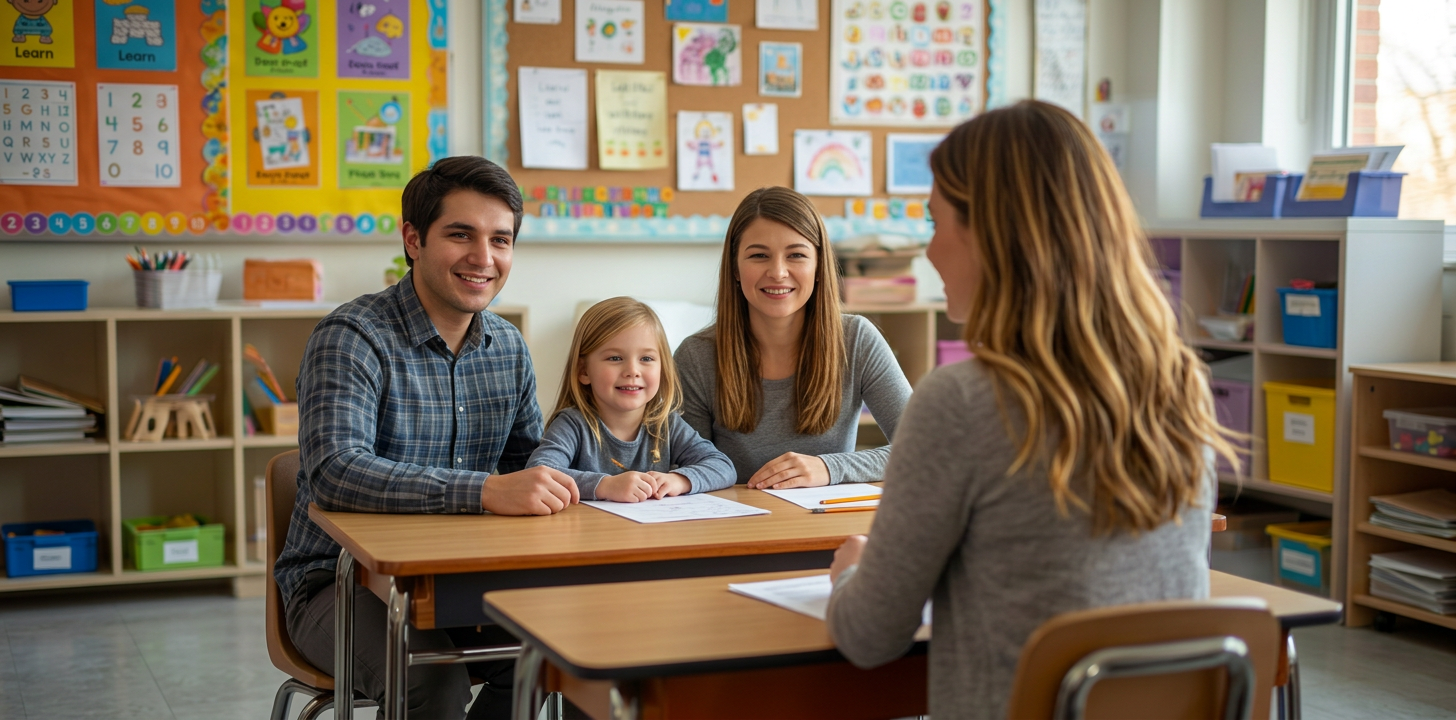
From a teacher’s perspective, it’s very common for children to hold it together in class. This is why behaviour at home and school can look so different and why both perspectives are important. Open communication between parents and teachers is so important.
Understanding the Causes (What Might Be Behind It)
School anxiety is rarely caused by just one thing. It’s often a combination of factors.
Academic pressure
-
Fear of getting things wrong
-
Comparing themselves to others
Social challenges
-
Friendship difficulties
-
Feeling left out
-
Playground dynamics
Transitions and change
-
New class or teacher
-
Changes in routine
Personality factors
-
Sensitive or conscientious children
-
Perfectionist tendencies
External factors
-
Tiredness
-
Overscheduling
-
Family stress
As a consultant, one of the most important things to remember is this: you need to look at the whole child, not just what’s happening at school.
Why It’s Important Not to Dismiss It
It can be tempting to say: “They’ll grow out of it.” Sometimes they do… but sometimes they don’t.
If anxiety is left unaddressed, it can:
-
Affect learning and concentration
-
Lower confidence
-
Shape a child’s long-term relationship with school
As parents, there’s often a natural instinct to reassure quickly. But what children need first is: to feel heard and understood. This is why genuinely listening and then responding with reassurance is key.
Simple, Practical Strategies for Home
Small, consistent changes at home can really help.
Create predictable routines
-
Keep mornings calm and consistent
-
Use visual routines if helpful
Build in emotional check-ins
-
Have regular, low-pressure conversations
-
Help your child name their feelings
Reduce pressure at home
-
Keep homework tone relaxed
-
Focus on effort, not outcome
Allow after-school decompression
-
Offer a snack and quiet time first
-
Avoid too many questions straight away
This “release” after school is very common. Children often hold in their emotions all day but home is where they feel safe to let them out.
Build confidence gradually
-
Celebrate small wins
-
Encourage independence in manageable steps
Even small routine changes (like giving space after school before talking) can make a noticeable difference.
Supporting Your Child Emotionally
How you respond to your child’s anxiety matters hugely.
Validate their feelings
Instead of dismissing:
-
“It’s nothing to worry about”
Try:
-
“I can see this feels hard for you”
Avoid rushing to fix
Children don’t always need solutions straight away, sometimes they need understanding and time to rant first.
Use gentle encouragement
-
Encourage facing challenges gradually
-
Avoid reinforcing avoidance
Model calm behaviour
Children are very sensitive to adult emotions. If we appear anxious (even without thinking that we are overtly showing it), they often absorb it.
What to Say: Simple Scripts That You Can Use
In moments of anxiety, it’s not always easy to know what to say. Having a few simple phrases ready can make a big difference. These scripts help your child feel understood while gently building confidence.
When your child is worried about school
-
“I can see this is feeling really hard for you right now.”
-
“That makes sense: you’ve got a lot on your mind.”
-
“I’m here with you. We’ll figure this out together.”
When they don’t want to go to school
-
“I hear that you don’t want to go, and I understand why it feels hard.”
-
“We’re still going to go, and I’ll help you through it.”
-
“Let’s just focus on the first step: getting ready.”
This balances validation and gives gentle encouragement (without reinforcing avoidance).
When they are overwhelmed after school
-
“You’ve held a lot in today, haven’t you?”
-
“You don’t have to talk yet, we can just sit together.”
-
“Whenever you’re ready, I’m here to listen.”
When they are worried about getting things wrong
-
“It’s okay to make mistakes—that’s how we learn.”
-
“You don’t have to get everything right.”
-
“I’m proud of you for trying.”
When you want to build confidence
-
“You did something really brave today.”
-
“Remember when you felt like this before and got through it?”
-
“Let’s take this one small step at a time.”
Why scripts work
These kinds of phrases help children feel:
-
Heard
-
Safe
-
Supported
…while still encouraging them to move forward.
Working with the School
A strong partnership between home and school can make a big difference.
Communicate openly
-
Share relevant patterns or concerns
-
Keep communication clear and constructive
Understand what teachers can do
Teachers can:
-
Monitor your child
-
Provide reassurance
-
Make small adjustments where possible
But they may not always see the full picture—especially if your child is masking during the day.
Aim for consistency
Children benefit when:
-
Home and school approaches align
-
Expectations feel predictable
Think of yourself as a collaborator, not an adversary.
When to Seek Further Help
Sometimes additional support is needed.
Consider seeking help if:
-
Anxiety is persistent or getting worse
-
It’s affecting attendance
-
Physical symptoms continue regularly
Who to approach
-
Your child’s teacher
-
School pastoral team or SENCO
-
Your GP (if needed)
Early support can prevent anxiety from becoming more entrenched.
Building Long-Term Resilience
The goal isn’t to remove all anxiety; that wouldn’t be realistic.
Instead, we want to help children:
-
Develop coping strategies
-
Build emotional awareness
-
Gain confidence through experience
Focus on:
-
Gradual exposure to challenges
-
Expanding emotional vocabulary
-
Celebrating effort and progress
Over time, these small steps build resilience.
Final Thoughts
School anxiety is something many children experience at some point—and it’s nothing to feel alone in.
The most important things to remember are:
-
Small, consistent support matters
-
Your role as a parent is powerful
-
Trust your instincts—you know your child best
With understanding, patience, and the right strategies, children can learn to manage their anxiety and feel more confident in their school experience.
Related reading
School anxiety is often linked to broader factors such as confidence, learning experiences, routines at home, and how children are supported day to day. Looking at these challenges in context can help you better understand what your child is experiencing and how to respond calmly and effectively.
You can read the full guide here:
The Complete Guide to Supporting Your Child at School